
Clear & Grub
Track-type tractor plus mulcher opens the pad; portable compressors feed pneumatic tools for stump and rock pin removal.
Atlas Copco ships, commissions and rebuilds the rotary drill platforms, rock drills and portable compressors required from site clearing through quarry staging and highway base preparation — so project directors are not stitching four OEMs together at every change order.
Track-type tractor plus mulcher opens the pad; portable compressors feed pneumatic tools for stump and rock pin removal.
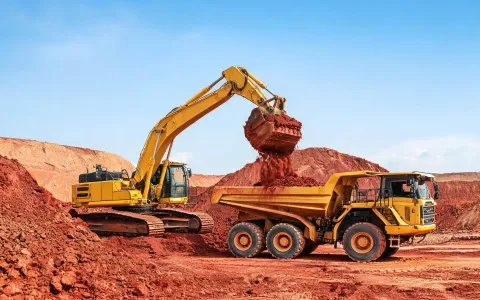
Large excavators and haulers move cut; pre-split rock drills establish the face before bulk dig begins.

Wheel excavators and trenchers place culverts; compact breakers open rock lenses without mobilizing a full drill string.

Graders and vibratory rollers lock density; Atlas Copco compressors power pneumatic rollers and density-test tools on the same pad.
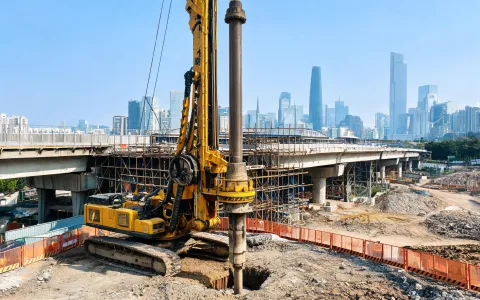
Rotary drill rigs with kelly bars deliver bored piles to 80 m class depths for bridge and high-rise foundations.
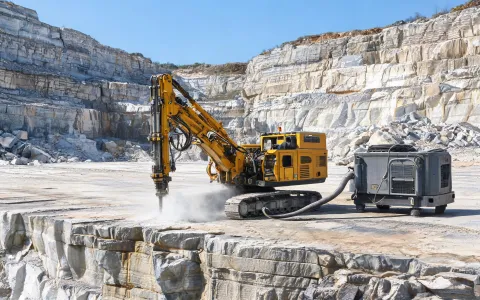
Surface rock drills and matched FAD compressor trains cut blast patterns for limestone and granite aggregate lines.
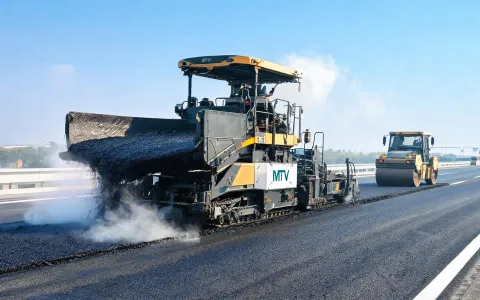
Pavers and rollers finish the mat; compressor packages stay on standby for pneumatic tools and joint heaters.

Density gauges and as-built drone surveys close the job; serial-linked commissioning packs travel with the handover dossier.
Single purchase order · single service contract · single Tier 4 / CE audit pack — instead of reconciling four OEM document sets every time the schedule shifts from piling to quarry staging.
Selection disputes we help close on live jobs: rotary kelly drilling versus DTH for socket piles in mixed geology; crawler carriers versus wheeled excavators when the same site alternates soft cut with paved access roads; and whether compressor FAD should be sized for peak simultaneous holes or for average shift demand. Atlas Copco applications engineers publish the torque, pile penetration depth and air-volume assumptions so the chief engineer can defend the choice in the project risk register.